Architecture Comparison: Medieval European Design vs Ottoman Context
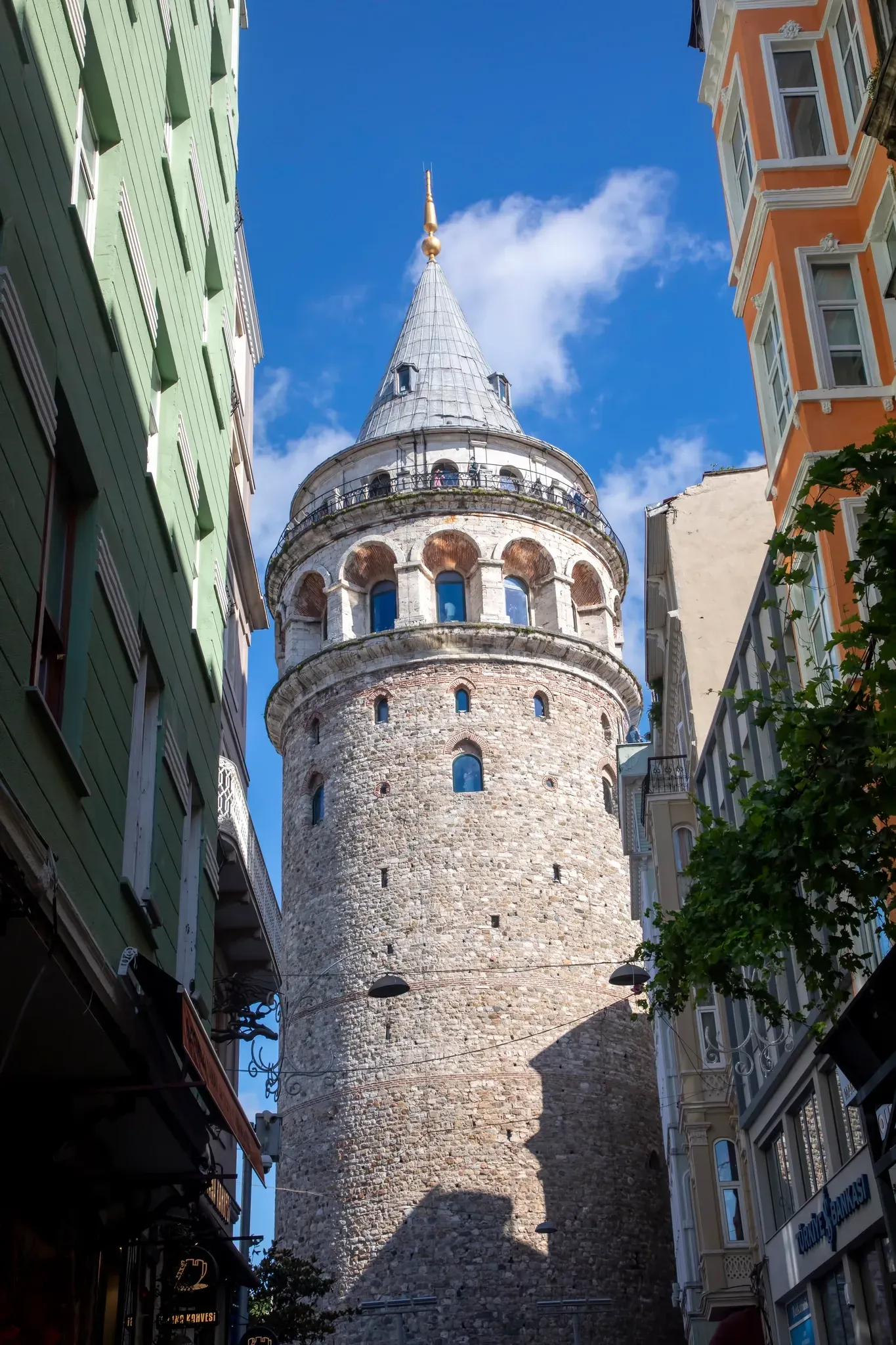
Among Istanbul’s many historic structures, Galata Tower stands apart — not because of its height alone, but because of its architectural identity. Unlike most major landmarks in the city, Galata Tower does not originate from Ottoman or Byzantine architectural traditions.
Instead, it reflects a medieval European design logic, later adapted — but not transformed — within an Ottoman urban context.
Understanding this contrast explains why Galata Tower feels visually and structurally different from its surroundings.
Medieval European Architectural Logic
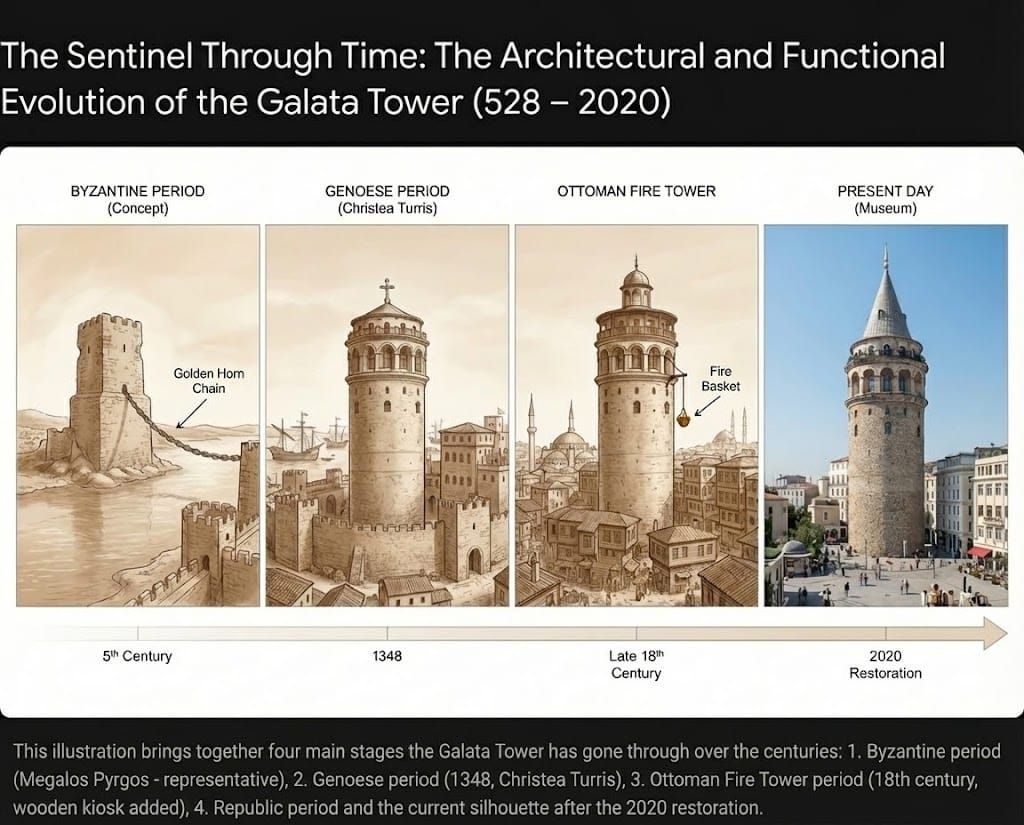
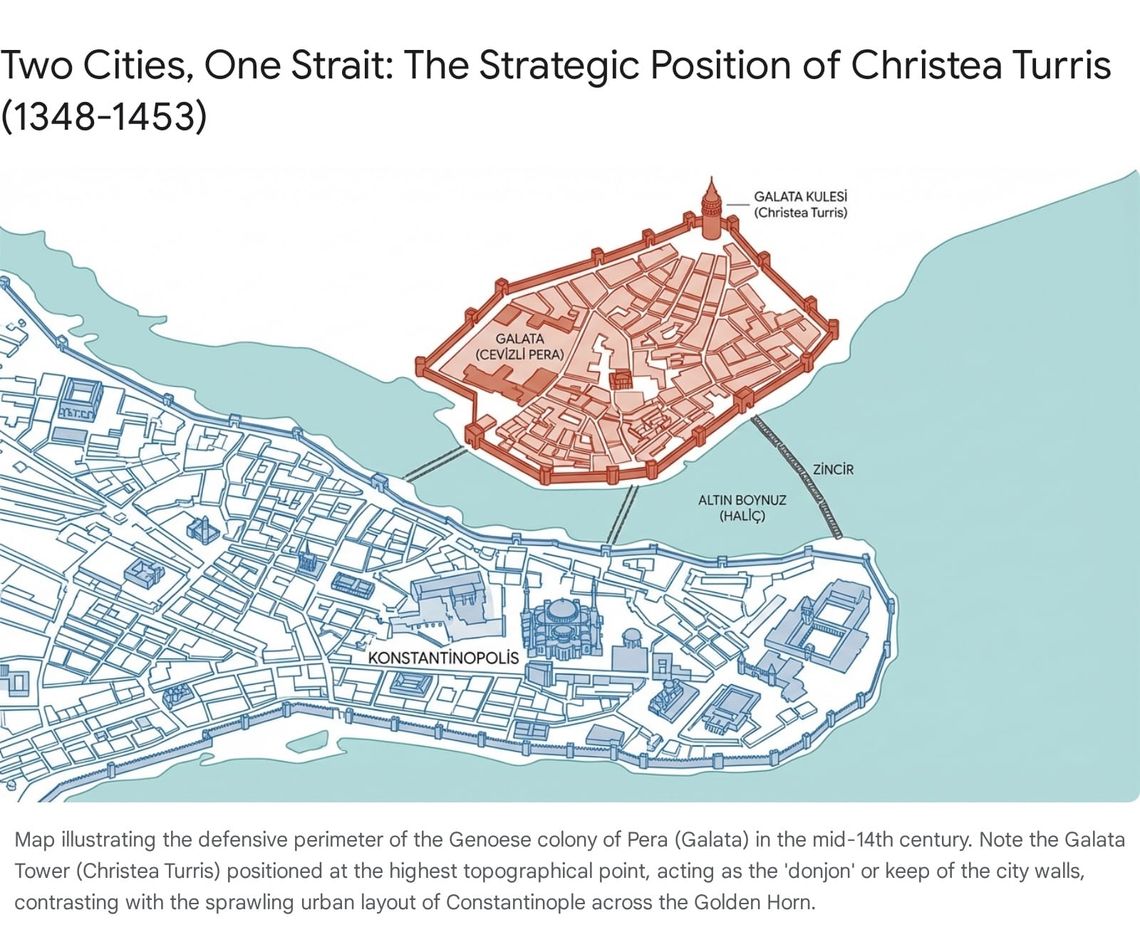
Galata Tower was constructed in 1348 by the Genoese as part of a fortified trading colony. Its architectural language follows principles common in medieval European military and civic towers.
Key characteristics include:
- Cylindrical stone body
Designed for structural stability and defense, the circular form minimizes blind spots and distributes load evenly. - Massive masonry walls
The tower’s thick stone construction emphasizes durability and long-term resilience rather than decorative expression. - Narrow openings
Windows were optimized for observation and protection, not illumination. - Vertical dominance
Height served a functional role — surveillance, control, and visibility — rather than symbolic or religious meaning.
This architectural approach prioritizes function over ornamentation, a hallmark of medieval European defensive structures.
Ottoman Architectural Principles: A Different Vocabulary
Ottoman architecture developed from a different set of priorities.
Rather than emphasizing fortification and surveillance, Ottoman monumental design focused on:
- Spatial harmony
- Horizontal expansion
- Centralized domes
- Light-filled interiors
Mosques, külliyes, and civic buildings were designed to organize space around communal experience and visual balance.
In contrast to Galata Tower’s vertical, enclosed form, Ottoman architecture often:
- Opens outward
- Integrates courtyards
- Emphasizes proportional symmetry
This difference makes Galata Tower immediately distinguishable within Istanbul’s skyline.
Adaptation Without Transformation
After the Ottoman conquest of Constantinople in 1453, Galata Tower was not rebuilt to conform to Ottoman architectural norms.
Instead, it was repurposed.
The Ottomans recognized the tower’s structural value and adapted it for new functions — particularly as a fire watchtower — without altering its core design.
This decision is significant.
Rather than imposing a uniform architectural identity, the Ottoman administration allowed Galata Tower to retain its Genoese structural logic, resulting in a rare coexistence of architectural traditions.
The Conical Roof: A Visual Hybrid
One of the few elements that evolved over time is the tower’s conical roof.
While not part of the original Genoese structure, the roof was added and reconstructed during later periods for practical reasons, including fire resistance and weather protection.
The roof does not follow Ottoman dome conventions, nor does it replicate typical European spires. Instead, it represents a functional compromise, reinforcing the tower’s hybrid visual identity.
Urban Context and Visual Contrast
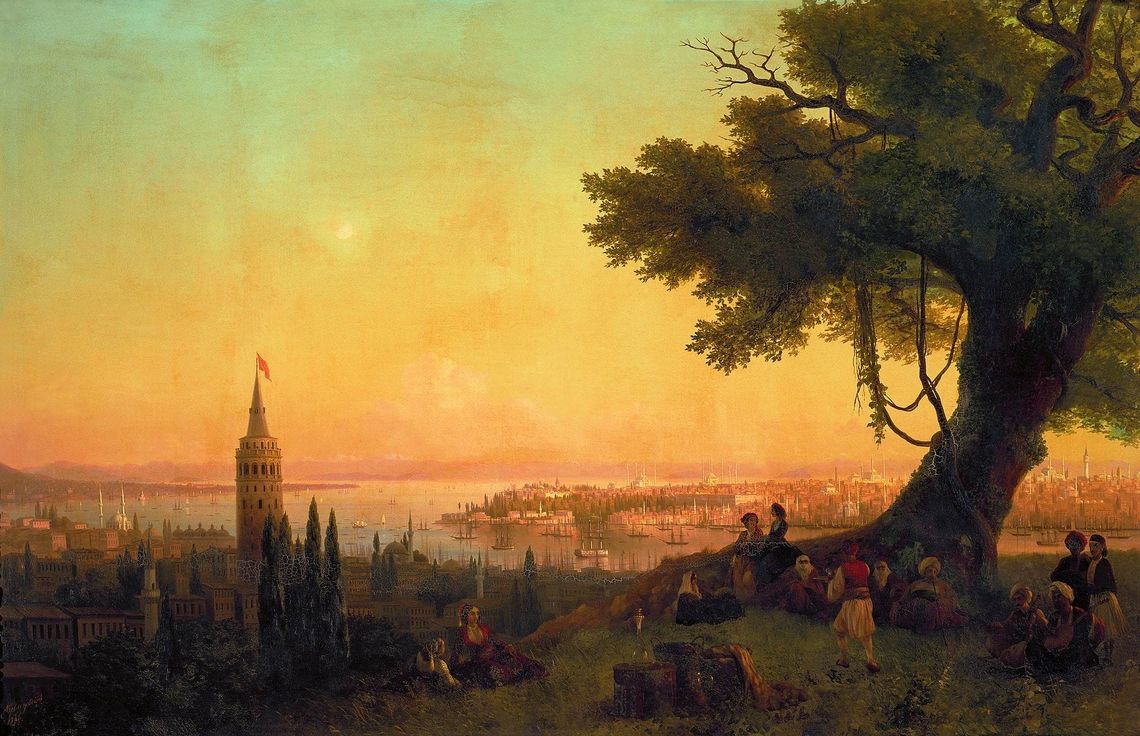
Galata Tower’s architectural distinctiveness becomes most apparent when viewed alongside Ottoman-era structures.
Where Ottoman landmarks emphasize:
- Flowing lines
- Rhythmic repetition
- Decorative surfaces
Galata Tower remains:
- Solid
- Vertical
- Minimal
This contrast enhances its symbolic role as an architectural outsider — a reminder that Istanbul’s identity was shaped by multiple civilizations, not a single aesthetic tradition.
Why Galata Tower Was Never “Ottomanized”
The absence of radical architectural modification reflects Ottoman urban pragmatism.
Galata Tower already fulfilled essential roles:
- Observation
- Fire surveillance
- Landmark visibility
There was no functional incentive to redesign it.
Instead of replacing what worked, the Ottomans integrated the structure into their city — an approach that preserved Galata Tower’s architectural integrity.
A Rare Architectural Dialogue
Today, Galata Tower represents a dialogue between architectural worlds.
It embodies:
- Medieval European construction principles
- Ottoman urban adaptation
- Modern conservation philosophy
Few landmarks in Istanbul offer such a clear example of architectural continuity across civilizations.
Understanding the Tower Through Contrast
Viewing Galata Tower solely as a monument misses its deeper architectural significance.
Its value lies in contrast:
- Vertical vs horizontal
- Fortification vs congregation
- Surveillance vs spirituality
By standing apart from Ottoman architectural norms, Galata Tower reveals the layered nature of Istanbul’s built environment.
Why This Comparison Matters
For visitors and scholars alike, Galata Tower provides a rare opportunity to observe how architecture adapts without losing identity.
It demonstrates that preservation does not always require transformation — sometimes, endurance itself becomes the defining feature.
Subscribe to newsletter
Subscribe to my newsletter to get the latest updates and news